
ASUS Vivobook 15 Laptop
4.9Editor score
Intel Core i9-13900H
48GB RAM Upgraded
Next Gen AI Ready
Machine learning demands high-performance hardware capable of handling complex computations and large datasets efficiently. Choosing the right laptop requires balancing processing power, memory capacity, and graphics capabilities to ensure smooth training and inference workflows without bottlenecks.
We evaluated leading models based on their processors, RAM configurations, GPU options, and overall build quality. Our analysis focuses on devices that support modern AI frameworks and provide the stability needed for professional data science projects and research applications.
Each pick highlights specific strengths for different user needs, from budget-friendly options to premium workstations. Prices and availability change frequently, so always verify current details before purchasing to ensure you get the best value for your specific machine learning requirements.
4.9Editor score

5.0Editor score

4.7Editor score
As an Amazon Associate we earn from qualifying purchases.
The following table provides a side-by-side comparison of all ten selected laptops. Review key specifications like processor type, memory size, and storage to find the model that best matches your computational needs and budget constraints.



This Dell Precision 7780 workstation stands out as a top-tier machine for demanding machine learning tasks. With a perfect 5.0 rating, it offers enterprise-grade performance tailored for data scientists and engineers who need consistent power without compromises.
We may earn a commission when you buy through this link, at no additional cost to you.
The Intel Core i9-13950HX processor combined with 128GB of RAM ensures you can handle massive datasets and complex models locally. The NVIDIA RTX 3500 Ada GPU provides the necessary acceleration for deep learning frameworks, making training iterations significantly faster than standard consumer hardware.
While it comes at a premium cost and weighs more than portable laptops, the performance gains justify the trade-offs for serious practitioners. The ISV certifications mean professional software runs smoothly, reducing compatibility issues during critical project phases.
Buy this if you prioritize raw computational power and reliability over portability. It is ideal for researchers and professionals who need a reliable workstation that can evolve with their growing data science needs.
The 128GB RAM allows you to run multiple virtual machines, datasets, and models simultaneously without slowdowns, streamlining complex development workflows.
NVIDIA RTX 3500 Ada supports CUDA cores essential for TensorFlow and PyTorch, enabling efficient parallel processing for neural network training.
We may earn a commission when you buy through this link, at no additional cost to you.
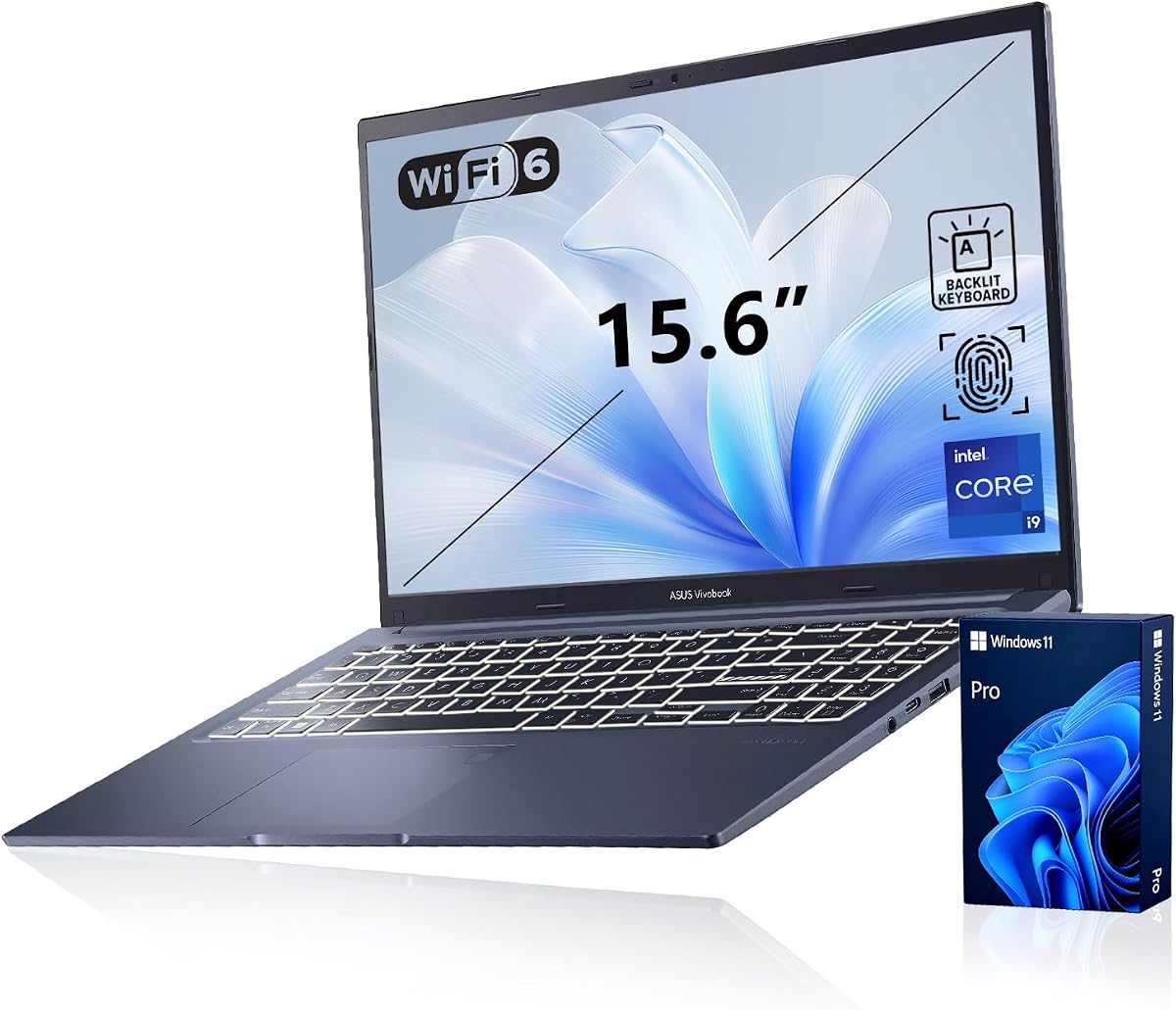
The ASUS Vivobook 15 delivers impressive value for machine learning beginners or those working on lighter models. Its 4.9 rating reflects user satisfaction with its powerful i9 processor and generous RAM, making it accessible for students and hobbyists.
We may earn a commission when you buy through this link, at no additional cost to you.
With 48GB of RAM and a 2TB SSD, this laptop handles data processing tasks efficiently. The Intel Core i9-13900H offers enough cores for parallel computing, allowing you to run CPU-based algorithms smoothly even without a dedicated graphics card.
Trade-offs include the absence of an NVIDIA GPU which limits deep learning acceleration, and a standard FHD display. However, for learning concepts or running pre-trained models via cloud APIs, this machine provides solid performance without breaking the bank.
Choose this model if you are starting your journey in AI or need a secondary device for coding and data prep. It balances cost and specs effectively for entry-level machine learning workflows.
This bundle upgrades RAM and storage to meet modern AI demands while keeping the base price competitive compared to full workstations.
Physical webcam shields and fingerprint readers protect your data privacy during remote research or collaborative sessions.
We may earn a commission when you buy through this link, at no additional cost to you.
The 2026 MacBook Pro with M5 Pro represents the pinnacle of portable AI computing. Rated 4.7, it excels in on-device inference and efficient workloads thanks to Apple's custom silicon and unified memory architecture.
We may earn a commission when you buy through this link, at no additional cost to you.
The M5 Pro chip includes Neural Accelerators and optimized cores that support advanced machine learning frameworks on macOS. With 24GB unified memory and Wi-Fi 7 connectivity, it ensures fast data transfers and responsive multitasking during model training sessions.
While it is less flexible than Linux-based workstations for certain specialized CUDA-only libraries, its power efficiency and display quality make it ideal for mobile professionals. You can work on models anywhere without constantly seeking a power outlet.
Select this laptop if you value portability, battery life, and a premium user experience. It suits data scientists who need a reliable travel companion for coding and presenting results without sacrificing performance.
Neural Accelerators within each core speed up inference tasks, enabling real-time AI applications on the go.
Liquid Retina XDR offers accurate colors and high brightness, perfect for visualizing complex data plots and charts.
We may earn a commission when you buy through this link, at no additional cost to you.
The Precision 7680 brings flagship workstation capabilities to a 16-inch form factor. Its 4.4 rating highlights reliable performance for engineering and data analysis, featuring powerful i9 processors and DDR5 memory for speed.
We may earn a commission when you buy through this link, at no additional cost to you.
Designed for demanding workflows, it supports up to three external monitors and includes ISV certifications for professional software compatibility. The Thunderbolt 4 ports allow for fast data transfer and flexible connectivity in lab or office environments.
It is heavier than ultrabooks and lacks a dedicated GPU in this specific configuration, limiting deep learning workloads. However, for general ML data prep and CPU-bound tasks, it remains a solid and stable choice for teams.
Ideal for IT departments needing standardized, manageable hardware. Use it when you require enterprise support and a durable machine that withstands daily transport to meetings or sites.
Multiple USB and HDMI ports simplify connecting external drives and monitors for complex project setups.
Built to withstand physical stress, this laptop ensures longevity in rigorous professional settings.
We may earn a commission when you buy through this link, at no additional cost to you.
Another variant of the Precision 7780 series offers similar power to the top pick but with 1TB storage. While currently un-rated, its specs align with high-end needs for engineers and developers requiring maximum local resources.
We may earn a commission when you buy through this link, at no additional cost to you.
The 128GB RAM and RTX 3500 GPU handle parallel processing and visualization efficiently. The 17.3-inch screen provides ample workspace for code editors and visualization tools simultaneously, reducing the need for external displays.
Its bulk and price make it less suitable for travel, but it acts as a powerful desktop replacement. Users who need constant access to large datasets locally will find this configuration highly beneficial for uninterrupted workflows.
Best for stationary setups where power outweighs mobility. Choose it if you manage large repositories locally and need a robust screen for multitasking during analysis sessions.
NVMe SSD ensures quick boot times and rapid data access, crucial for iterative machine learning model testing.
Larger display helps in reviewing code, charts, and documentation without switching windows constantly.
We may earn a commission when you buy through this link, at no additional cost to you.
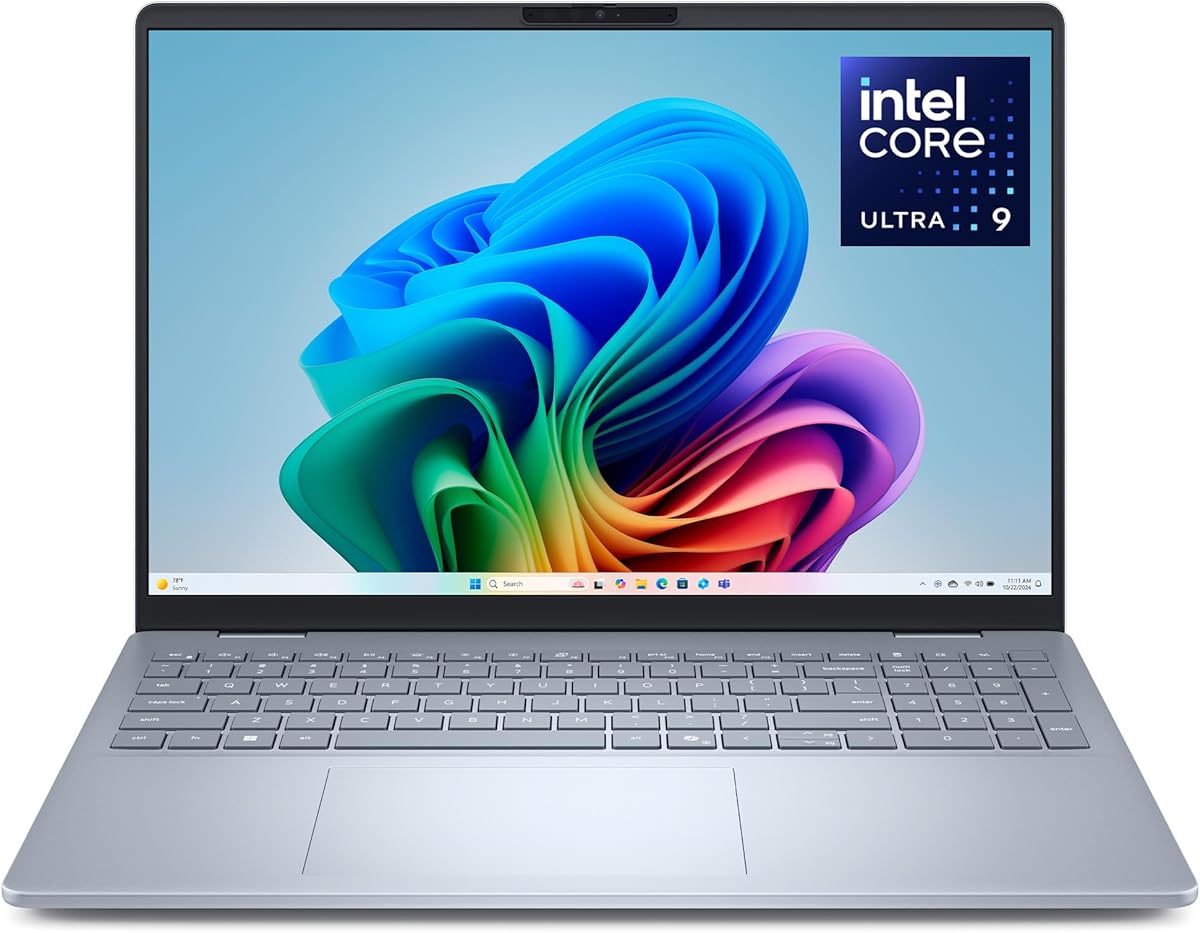
The Dell 16 Plus features Intel's latest client compute engines designed for AI experiences. With a 4.3 rating, it offers a blend of power efficiency and performance suitable for daily data tasks and lightweight ML work.
We may earn a commission when you buy through this link, at no additional cost to you.
Its QHD+ display improves readability of data tables and code, while the Core Ultra 9 processor handles multitasking with grace. The focus on AI readiness means it supports newer software tools designed for optimized execution on this hardware.
It lacks the raw GPU power of dedicated workstations, making it better for inference than training. Still, it is a great choice for analysts who need a reliable, high-quality screen for long hours of work.
Buy if you want a premium consumer laptop with workstation traits. It fits well in hybrid environments where you need both office productivity and technical capability.
Higher resolution display ensures that fine details in code and graphs remain clear during extended use.
New compute engines provide the efficiency needed for modern AI applications and background tasks.
We may earn a commission when you buy through this link, at no additional cost to you.
This customized Vivobook option offers a 5.0 rating due to its tailored specs for professionals. The ability to configure RAM and storage up to high limits makes it adaptable for varying project requirements without buying a new machine.
We may earn a commission when you buy through this link, at no additional cost to you.
The Core i9 processor ensures fast processing times for simulations and model training. With a physical webcam shield and fingerprint reader, it addresses security concerns that often arise when handling sensitive data in collaborative environments.
While the display is standard, the numeric keypad aids in data entry tasks. It is a strong contender for users who want a high-spec machine without paying workstation premiums.
Opt for this if you need specific RAM levels but prefer a consumer form factor. It bridges the gap between standard laptops and heavy-duty machines effectively.
Upgrading RAM and storage to match project size ensures you do not waste resources on unused capacity.
The integrated numeric keypad speeds up input tasks when working with large datasets or spreadsheets.
We may earn a commission when you buy through this link, at no additional cost to you.
The 15-inch MacBook Air with M5 chip brings AI capabilities to a portable package. Its 4.7 rating reflects a balance of performance and portability, ideal for users who prioritize movement over raw compute power.
We may earn a commission when you buy through this link, at no additional cost to you.
With 16GB unified memory, it can handle moderate inference tasks and general programming efficiently. The M5 chip ensures tasks run smoothly without fans, keeping the device quiet during meetings or library sessions.
It is not designed for heavy local training, but cloud integration makes up for this. The large screen helps when viewing code or documents, making it a great secondary device for developers.
Choose this if you need a portable tool for on-the-go work. It suits researchers who rely on cloud resources and value comfort during long travel days.
Lightweight design allows you to carry it anywhere without strain, keeping productivity high during commutes.
Up to 18 hours of battery life means you can work through days without hunting for a power outlet.
We may earn a commission when you buy through this link, at no additional cost to you.
This 13-inch variant mirrors the performance of the larger Air but in a smaller body. It retains the 4.7 rating for reliability and speed, making it perfect for coding and learning ML basics on a budget-friendly Apple platform.
We may earn a commission when you buy through this link, at no additional cost to you.
The 13.6-inch screen is sharp and color-accurate, helping you read code and visualize simple plots clearly. M5 architecture ensures efficient performance, so even complex scripts run without lag or overheating issues.
Smaller screen limits side-by-side view, but for focused tasks it is sufficient. It is an excellent choice for students or professionals who need an affordable entry point into the Apple ecosystem.
Buy if you want maximum portability without sacrificing core performance. It is great for those who primarily write code and rely on remote servers for heavy lifting.
Compact size encourages distraction-free coding sessions in cafes or small desks.
Integration with iPhone and iPad makes transferring research files seamless and fast.
We may earn a commission when you buy through this link, at no additional cost to you.
This configuration offers a GPU-focused approach with 32GB RAM and RTX 3500 graphics. Although un-rated, its specs appeal to professionals needing GPU acceleration for rendering or AI without the cost of maximum RAM versions.
We may earn a commission when you buy through this link, at no additional cost to you.
The i9 processor and NVIDIA RTX ensure that parallel processing runs smoothly. It is designed for tasks where graphics and computation are intertwined, such as 3D modeling or visualization-heavy data science.
It weighs more than average laptops but justifies it with performance. Use it as a dedicated desktop replacement in labs where portability is secondary to consistent power and hardware reliability.
Best for teams needing standardized GPU capabilities. It offers a balance of memory and graphics that supports many industry-standard software tools.
The RTX 3500 provides CUDA support essential for speeding up complex simulation and training tasks.
Windows 11 Pro supports advanced networking and security features required in corporate environments.
We may earn a commission when you buy through this link, at no additional cost to you.
Selecting a machine learning laptop involves balancing several technical factors. Understanding how each component contributes to your workflow helps you invest in a device that meets current needs and future requirements.
The CPU is the brain of your system, handling data preprocessing and logic tasks. For machine learning, look for high-core count processors like Intel Core i9 or AMD Ryzen 9 to manage parallel computations efficiently. A powerful processor reduces bottlenecks when preparing data before training.
Prioritize CPUs with high clock speeds and multiple cores to ensure smooth multitasking during development cycles.
RAM is critical for holding datasets in active memory. Machine learning models often require large amounts of data to be loaded simultaneously for training. Aim for at least 32GB of RAM, with 64GB or higher recommended for handling larger, more complex datasets without swapping to disk.
Choose systems that allow future RAM upgrades to extend the device's usable lifespan as models grow.
A dedicated GPU is often essential for deep learning tasks involving neural networks. NVIDIA GPUs with CUDA support are standard in the industry, offering optimized libraries for major frameworks like TensorFlow and PyTorch. Ensure the GPU has sufficient VRAM to hold model weights and intermediate data.
Look for professional-grade GPUs or high-end consumer models that support the specific frameworks you use most often.
Fast storage reduces the time needed to load datasets and boot systems. NVMe SSDs are preferred over traditional hard drives for their read/write speeds. Additionally, machine learning datasets can be very large, so a minimum of 1TB storage ensures you can store local projects without relying on external drives.
Opt for systems with multiple M.2 slots so you can expand storage later if your project demands increase.
Most machine learning tools are optimized for Linux environments, though many also run on Windows and macOS. Ensure the laptop you choose supports the OS required by your workflow. Dual-booting or using containers like Docker can provide flexibility if you need different environments.
Verify that the hardware drivers are fully compatible with your chosen OS to avoid installation issues.
If you work from different locations, portability matters. However, powerful laptops often run hot, so check thermal management systems to prevent overheating. A sturdy chassis ensures durability during travel, while adequate cooling ensures sustained performance during long runs.
Weigh the need for mobility against cooling needs to find a model that fits your daily routine.
Machine learning setups often require connecting external monitors or high-speed storage. Look for plenty of Thunderbolt or USB-C ports to support multi-screen setups and rapid data transfers. Ethernet ports are also useful for stable internet connections when downloading large datasets.
Check the laptop's Wi-Fi capabilities to ensure fast wireless transfer of large files when needed.
Enterprise-grade laptops often come with better support and certifications for professional software. This ensures stability and quick resolution of issues during critical work. Also, consider the manufacturer's warranty and availability of technical support for your region.
Choose a brand that offers reliable service to minimize downtime when technical issues arise.
To maintain optimal performance, keep your laptop cool by using a cooling pad during intensive training sessions. Regularly clear temporary files and cache to free up storage space, which helps prevent slowdowns when loading large datasets.
Ensure your software environment is updated regularly to benefit from the latest security patches and framework optimizations. Use virtual environments like conda or venv to isolate different project dependencies and avoid conflicts that can break code.
Protect your physical hardware by keeping it clean from dust, especially around vents. Backup your code and models frequently to external drives or cloud storage to prevent data loss in case of hardware failure or accidental deletion.
While basic tasks like data preprocessing can be done on a CPU, a dedicated GPU significantly accelerates training deep learning models. Most industry-standard frameworks are optimized for NVIDIA CUDA cores. If you plan to train neural networks locally, a GPU is essential for efficiency and speed.
For standard projects, 32GB of RAM is a good starting point. However, if you work with large datasets or complex models, 64GB or 128GB is recommended. Insufficient RAM can cause your system to use disk space as virtual memory, slowing down your workflow.
Yes, macOS is a viable option, especially with Apple Silicon chips that support native machine learning tasks. Many tools have been optimized for M-series chips, making them efficient for inference and smaller-scale training. However, some specific CUDA libraries may not run on Mac.
Desktops generally offer better cooling and upgradeability, making them more suitable for long training sessions. Laptops provide mobility, which is ideal for fieldwork or hybrid offices. Choose a laptop with strong specs and good thermal management if you need portability.
NVMe SSDs are the standard for machine learning because they provide fast read and write speeds essential for loading datasets quickly. Traditional hard drives are too slow and can become a bottleneck during data processing. Aim for at least 1TB of SSD storage.
Many developers prefer Linux for its native support and flexibility, but Windows and macOS also support most major machine learning frameworks. You can use containers like Docker to run Linux environments on other operating systems without switching the main OS entirely.
To extend battery life, limit GPU usage during non-training tasks and lower screen brightness. Close unnecessary background applications to save resources. For heavy work, always keep the laptop plugged in to prevent thermal throttling and battery drain.
We have explored ten top-tier laptops for machine learning, ranging from powerful workstations to portable options. The Dell Precision 7780 stands out as a top choice for raw power, while the ASUS Vivobook offers great value for budget-conscious users.
Prioritize your specific needs: if you train heavy models, focus on GPU and RAM; if you need portability, consider the MacBook Air. Always verify hardware compatibility with your preferred development tools before purchasing to ensure seamless integration.
Remember that technology evolves quickly and prices fluctuate frequently. Check current availability and warranty terms before buying to ensure you make the most informed investment for your machine learning journey.