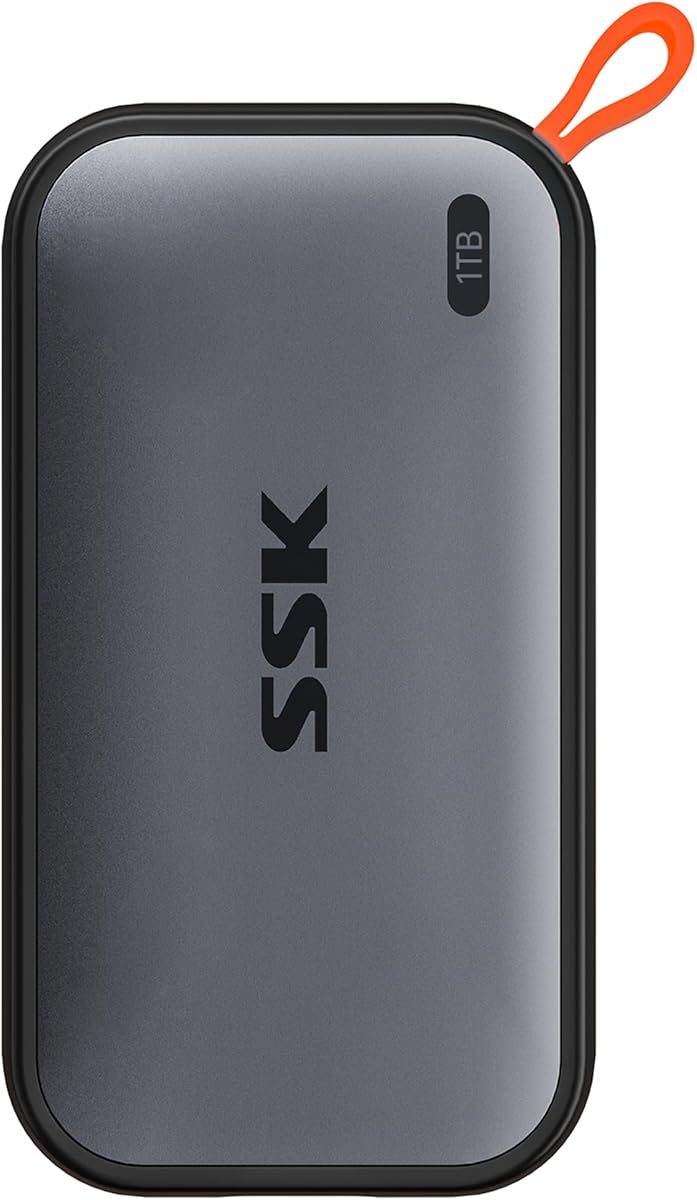
SSK Portable SSD 1TB
4.5Editor score
Up to 1050MB/s read
Lightweight aluminum case
Includes USB-C and USB-A
This guide compares the top external SSDs for virtual machines, evaluating speed, durability, and compatibility to help you choose the right portable storage.
Virtual machines demand fast, reliable storage to run smoothly without lag. An external SSD designed for virtual machines offers the speed and capacity needed to handle complex workloads efficiently.
We evaluated ten leading external SSDs based on read write speeds, durability ratings, and compatibility with various host systems. Our analysis focuses on models that excel in virtualization tasks.
Each pick highlights key strengths and potential trade-offs for virtual machine users. Please note that product prices and availability can change frequently, so verify current details before purchasing.
4.5Editor score
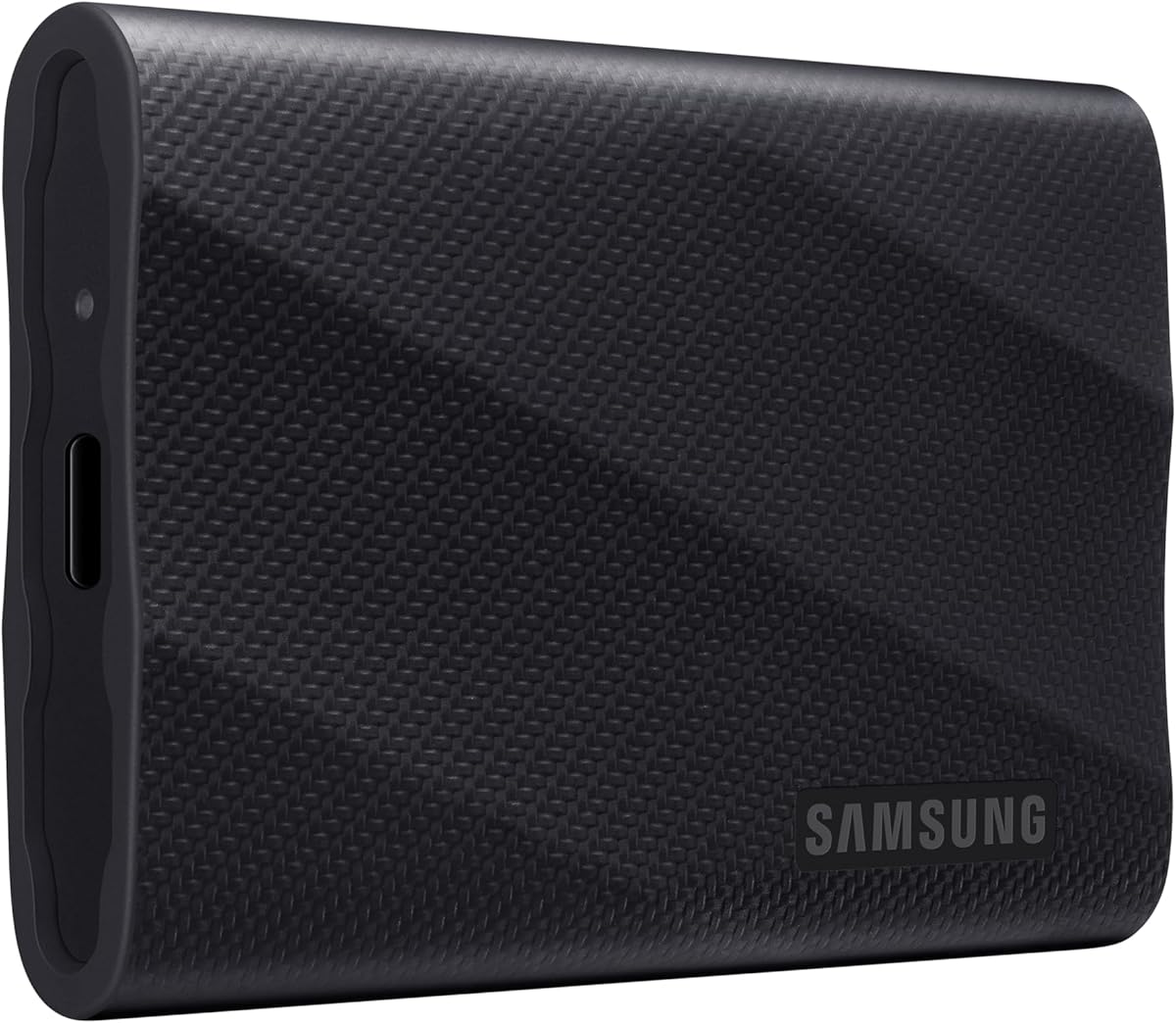
4.6Editor score

3.9Editor score
The following table provides a side-by-side comparison of all ten external SSDs evaluated for virtual machine use. Compare key specifications and features to find the best fit for your needs.


The Samsung T9 Portable SSD stands out as the top choice for virtual machine users seeking a balance of speed and reliability. With a strong rating and support for USB 3.2 Gen 2×2, it delivers performance that keeps VMs responsive during heavy workloads.
We may earn a commission when you buy through this link, at no additional cost to you.
Its standout feature is the sustained read and write speeds of up to 2,000MB/s, which is crucial for loading and running large virtual disk images without lag. The Dynamic Thermal Guard ensures the drive stays cool during prolonged usage, preventing throttling that could slow down your virtual environment.
While the performance is excellent, users should note that achieving top speeds requires a compatible USB 3.2 Gen 2×2 host port. Additionally, the price point is higher than older models like the T7, which may be a consideration for budget-conscious buyers.
For professionals and power users who prioritize speed and stability, the T9 is a highly recommended investment. It handles the demands of virtualization effectively, making it a reliable choice for running multiple VMs or handling complex development tasks.
The T9 maintains high speeds even during long transfers, ensuring virtual disks load quickly and run smoothly.
Advanced cooling keeps the drive stable during extended sessions, avoiding performance drops due to overheating.
We may earn a commission when you buy through this link, at no additional cost to you.
The SSK Portable SSD offers an excellent entry point for users needing reliable external storage for virtual machines without breaking the bank. It delivers consistent speeds and comes with necessary cables, making it easy to set up on various systems.
We may earn a commission when you buy through this link, at no additional cost to you.
A key strength is its SLC caching, which helps maintain steady transfer rates even when handling larger files typical of VM images. The 2mm aluminum case aids in heat dissipation, ensuring the drive remains cool during active use.
However, the drive is limited to a 1TB capacity in this model, which might not be enough for users running multiple VMs or storing large datasets. Additionally, SSK is less established than major brands, which could raise questions about long-term support.
For those seeking a cost-effective solution for occasional VM usage or development environments, the SSK SSD is a strong contender. It provides the essential speed and durability needed for portable virtual storage.
SLC caching ensures steady speeds during file transfers, reducing wait times when accessing VM files.
Priced competitively, this drive offers essential features without unnecessary costs, ideal for budget setups.
We may earn a commission when you buy through this link, at no additional cost to you.
The SanDisk Professional 4TB PRO-G40 SSD is a powerhouse designed for professionals who need maximum capacity and speed for virtual machines. Its Thunderbolt 3 support and massive 4TB storage make it ideal for demanding workloads and large datasets.
We may earn a commission when you buy through this link, at no additional cost to you.
With read speeds up to 3000MB/s, this drive enables instant access to virtual disk files, significantly reducing boot and operation times. The IP68 rating ensures it can withstand harsh environments, protecting your critical VM data from water and dust.
Despite its advantages, the premium price may be prohibitive for casual users. Furthermore, achieving top speeds requires a host system with Thunderbolt 3 ports, which limits compatibility with standard USB connections.
For professional users requiring high-capacity, high-speed storage that can survive tough conditions, the PRO-G40 is an outstanding choice. It delivers the performance and protection needed for mission-critical virtual machine environments.
Thunderbolt 3 connectivity ensures the fastest possible data transfer speeds for large VM operations.
IP68 rating and crush resistance protect sensitive data in challenging environments.
We may earn a commission when you buy through this link, at no additional cost to you.
The Sandisk Extreme Portable SSD is built to endure tough conditions while providing fast access to virtual machine files. Its combination of ruggedness and solid performance makes it a practical choice for users who travel frequently.
We may earn a commission when you buy through this link, at no additional cost to you.
With IP65 water and dust resistance and 3-meter drop protection, this drive is protected against common hazards that could otherwise damage delicate electronics. The included password protection helps keep VM data secure from unauthorized access.
While its speed is good, it may not match the faster speeds of Thunderbolt drives for heavy transfers. Additionally, the carabiner loop adds bulk, which might be less convenient for minimalist users.
For users who prioritize durability and security alongside decent speed, the Sandisk Extreme SSD offers a balanced solution. It is well-suited for mobile professionals and travelers working with virtual machines.
IP65 rating and drop protection ensure safe transport in various environments.
Hardware encryption protects sensitive VM data effectively without needing extra software.
We may earn a commission when you buy through this link, at no additional cost to you.
The Samsung T7 is one of the most popular external SSDs available, offering excellent performance for virtual machines. Its high rating reflects consistent quality and reliability that users can depend on for daily tasks.
We may earn a commission when you buy through this link, at no additional cost to you.
The compact design and aluminum unibody construction make it easy to carry and use with both laptops and desktops. The included Magician software helps monitor drive health and keep firmware updated, ensuring long-term performance.
While it lacks the advanced thermal features of newer models like the T9, the T7 maintains steady performance for typical workloads. However, users may notice slight slowdowns during prolonged heavy usage compared to the T9.
For most users seeking a balance of price, performance, and brand reputation, the T7 remains a top choice. It is ideal for students and professionals needing reliable portable storage for VMs.
Samsung's reputation for quality ensures stable speeds and minimal errors during VM operation.
Slim and light build fits easily in pockets or bags for easy portability.
We may earn a commission when you buy through this link, at no additional cost to you.
The Crucial X10 delivers impressive read speeds that are well-suited for virtual machine workloads. Its 2TB capacity and durability features provide ample space and protection for extensive file libraries.
We may earn a commission when you buy through this link, at no additional cost to you.
Supporting multiple platforms including Windows, Mac, and Android, this drive offers flexibility for cross-device workflows. The IP65 rating and drop resistance mean it can handle accidental bumps or exposure to elements.
While the design is functional, the distinctive blue color might not appeal to everyone. Also, compared to some competitors, it may feel slightly bulkier in a pocket or small bag.
For users needing high capacity and speed without premium pricing, the Crucial X10 is a strong option. It balances performance and durability effectively for virtual storage needs.
Works seamlessly across Windows, Mac, and Linux systems for flexible access.
Strong resistance to drops and water keeps data safe in various environments.
We may earn a commission when you buy through this link, at no additional cost to you.
The Samsung T7 Shield is designed for users who need extra protection without sacrificing speed. With a high rating and robust build quality, it is ideal for environments where drives are prone to rough handling.
We may earn a commission when you buy through this link, at no additional cost to you.
Its IP65 rating and drop resistance up to 9.8 feet provide excellent security against physical damage. This makes it a reliable choice for field work or construction sites where virtual machines might be run on portable systems.
However, performance matches the standard T7, so users looking for faster speeds might prefer the T9. The shielded casing also adds some bulk, making it slightly less pocket-friendly than the standard model.
For professionals working in demanding environments, the T7 Shield offers peace of mind and consistent performance. It ensures virtual data remains safe and accessible regardless of external conditions.
Shielded housing protects against drops and elements, ideal for field use.
Backed by Samsung's reputation, this drive delivers reliable long-term performance.
We may earn a commission when you buy through this link, at no additional cost to you.
The Corsair EX400U Survivor offers the fastest speeds in this list, thanks to USB4 support. This makes it exceptionally fast for virtual machines, reducing load times and improving responsiveness during use.
We may earn a commission when you buy through this link, at no additional cost to you.
Its IP55 rating ensures protection against dust and water splashes, adding durability to the high performance. The plug-and-play design means no drivers are needed, making it ready to use immediately.
To achieve top speeds, users must have a USB4 or Thunderbolt 4 host, which limits compatibility with older systems. Additionally, the cost is higher than many alternatives, which may be a barrier for budget buyers.
For users with compatible hosts who need maximum speed for virtual workloads, this drive is a top pick. It combines cutting-edge performance with ruggedness for demanding professional tasks.
USB4 interface delivers blazing fast data transfer rates for virtual machine operations.
IP55 rating protects internal components from environmental hazards and wear.
We may earn a commission when you buy through this link, at no additional cost to you.
The Lexar 2TB ES3 External SSD provides reliable performance for virtual machines at a competitive price. It offers solid speeds and capacity that meet the needs of most users without extra frills.
We may earn a commission when you buy through this link, at no additional cost to you.
Its double layer graphite sheets help conduct heat away efficiently, ensuring the drive stays cool during active transfers. The sleek and sturdy design protects internal components from drops and daily wear.
While it does not feature advanced software or top-tier speeds, it covers the basics well. Users should note that Lexar is less well-known than Samsung or Crucial, which may affect long-term support perceptions.
For buyers seeking practical storage for VMs without paying for premium features, this is a smart choice. It delivers consistent performance and enough capacity for typical virtual machine workloads.
Graphite sheets help keep the drive cool during sustained data transfers.
Provides essential speed and capacity without unnecessary costs or complexity.
We may earn a commission when you buy through this link, at no additional cost to you.
The SABRENT Rocket Nano XTRM is a compact option offering Thunderbolt 3 speeds for portable virtual machine setups. Its small size makes it easy to carry, while still delivering fast access to VM files.
We may earn a commission when you buy through this link, at no additional cost to you.
With read speeds up to 2700MB/s and included cables for different connections, it provides good versatility and performance. The aluminum chassis helps manage heat and adds durability during travel.
Some users have noted that the compact size might slightly impact heat dissipation under extreme loads. Additionally, the lower rating compared to other models suggests mixed user experiences with quality control.
For users who need a small, fast drive for Thunderbolt-enabled systems, this is a viable choice. It balances portability and performance well for professionals on the go.
Fits easily in a shirt pocket for maximum portability during travel.
Supports high-speed data transfer for quick VM access.
We may earn a commission when you buy through this link, at no additional cost to you.
Choosing the right external SSD for virtual machines involves considering several critical factors. This guide highlights the most important aspects to help you make an informed decision.
Read and write speeds determine how quickly your virtual machines boot and operate. For VMs, faster speeds reduce lag and improve productivity, especially when running multiple VMs simultaneously.
Prioritize drives with high sustained speeds over peak bursts to ensure consistent performance during virtual tasks.
Virtual machine files can consume significant space depending on your OS and software needs. Ensure the drive offers enough capacity for multiple VMs and snapshots without constant management.
Choose a capacity that allows room for growth and backups to avoid running out of space unexpectedly.
Verify that the drive interface matches your host device ports. USB 3.2, USB4, or Thunderbolt options vary in speed and compatibility with Windows, Mac, or Linux systems.
Select a drive with broad OS support to ensure it works seamlessly with your current setup.
Portable drives for VMs may face travel or rough handling. Look for IP ratings and drop resistance ratings to protect your critical virtual data.
Rugged features add confidence that your VM files remain safe in various environments.
High-speed operations generate heat that can throttle performance. Drives with better cooling solutions maintain steady speeds longer without slowing down.
Choose models with effective thermal designs for sustained VM operations.
VMs often store sensitive data that needs protection. Hardware encryption or password protection keeps your virtual files secure from unauthorized access.
Prioritize drives with built-in security features to safeguard your data.
Budget constraints may affect your choice. Balance performance and capacity needs with what you can afford to get the best value.
Invest in features that matter most to your usage to maximize value.
Established brands often provide better reliability and customer support. A solid warranty ensures you have recourse if the drive fails prematurely.
Consider brands with strong track records for longevity and support to minimize risk.
To start using your SSD, connect it directly to a USB or Thunderbolt port on your computer. Ensure your system recognizes the drive and format it to a compatible file system like APFS or NTFS for virtual machine use.
Keep your drive cool by avoiding direct sunlight or enclosed spaces. Regularly eject the drive safely through the OS to prevent data corruption during transfers.
Use reliable cable connections to avoid disconnects. Periodically check firmware updates and health status using provided software to maintain optimal performance.
Yes, you can run virtual machines directly from an external SSD if it is fast enough and connected properly. The key is ensuring high read/write speeds and a stable connection to avoid lag.
For smooth performance, aim for read speeds of at least 1000MB/s. Faster speeds around 2000MB/s or higher provide better responsiveness, especially for large or multiple VMs.
USB-C supports faster speeds and newer interfaces like USB 3.2 Gen 2×2 and USB4, making it preferable for VMs. USB-A is slower and may bottleneck performance.
Use drives with hardware encryption or enable OS-level encryption like FileVault or BitLocker. This ensures VM data remains protected if the drive is lost or stolen.
Most modern external SSDs are plug-and-play and do not require additional drivers. However, some brands provide management software for health monitoring and updates.
An external SSD can complement or sometimes replace internal storage for VMs, depending on speed and capacity. Ensure the interface supports the required performance level.
Back up critical VM data regularly, ideally daily or weekly depending on usage frequency. This protects against data loss from drive failure or accidental deletion.
Overheating can cause throttling or drive shutdown to prevent damage. Using a drive with good thermal management and allowing airflow helps maintain performance.
Selecting the right external SSD for virtual machines depends on balancing speed, capacity, durability, and budget. The top picks offer reliable solutions ranging from budget-friendly to premium performance.
Prioritize sustained read/write speeds and secure connectivity to ensure smooth VM operation. Consider durability features if you plan to move the drive frequently.
Remember to check current availability and prices before buying since offers change often. The best choice aligns with your specific virtual machine needs and hardware setup.