
Mcbazel 3 in 1 Handheld Digital Anemometer
4.5Editor score
Beaufort scale display
Compact and portable
Dual line LCD
This guide compares the top marine anemometers for sailors and boaters in October 2026, evaluating accuracy, durability, features, and ease of use.
Marine anemometers are essential tools for sailors and boaters who need accurate wind data to navigate safely and efficiently. Whether you are racing on open waters or enjoying a leisurely cruise, knowing wind speed and direction can make a significant difference in your performance and safety on the water.
We have carefully evaluated ten leading models available in the market today, considering factors such as build quality, measurement accuracy, display readability, and specialized features for marine environments. Our analysis includes both handheld devices for casual use and integrated systems for serious vessel instrumentation to help you find the right fit.
Each product review highlights key specifications, pros, cons, and real-world application scenarios to guide your purchasing decision. Please note that prices and availability may change over time, so we recommend checking current listings before finalizing your purchase to ensure you get the best value for your investment.
4.5Editor score

4.5Editor score
4.4Editor score
The following table provides a side-by-side comparison of all ten products selected for this guide, highlighting key specifications to help you quickly identify which model best suits your specific marine needs.



The BTMETER BT-100 stands out as a top contender for those seeking a reliable handheld marine anemometer. With a rating of 4.5 stars, users appreciate its multifunction capabilities and ease of use. It measures wind speed across five different units and includes temperature readings, making it a versatile tool for sailors and outdoor enthusiasts alike.
We may earn a commission when you buy through this link, at no additional cost to you.
This device features a bright backlit LCD screen that ensures readability even in low light conditions on the water. The inclusion of a tripod hole allows for stable continuous measurements when mounted securely, which is particularly useful for recording wind patterns over time. The sensitive sensors can detect low air flow, providing precision that is essential for accurate sail trim.
While the device is durable, it lacks waterproof housing which may be a concern in heavy rain or spray. However, the protective case included helps mitigate this risk during storage and transport. Battery life is moderate but sufficient for most day trips, and the auto power off feature helps conserve energy when not in use.
For sailors looking for an affordable yet accurate way to monitor wind conditions, the BTMETER BT-100 is a strong recommendation. It balances price and performance effectively, offering features typically found in more expensive units. Whether you are sailing, flying a drone, or simply checking the weather, this anemometer delivers consistent results.
The ability to switch between mph, knots, m/s, km/h, and ft/min allows users to choose the unit that best fits their navigation charts and preferences.
A metal threaded hole on the bottom enables secure mounting on tripods, freeing up hands for other tasks like steering or adjusting sails.
We may earn a commission when you buy through this link, at no additional cost to you.
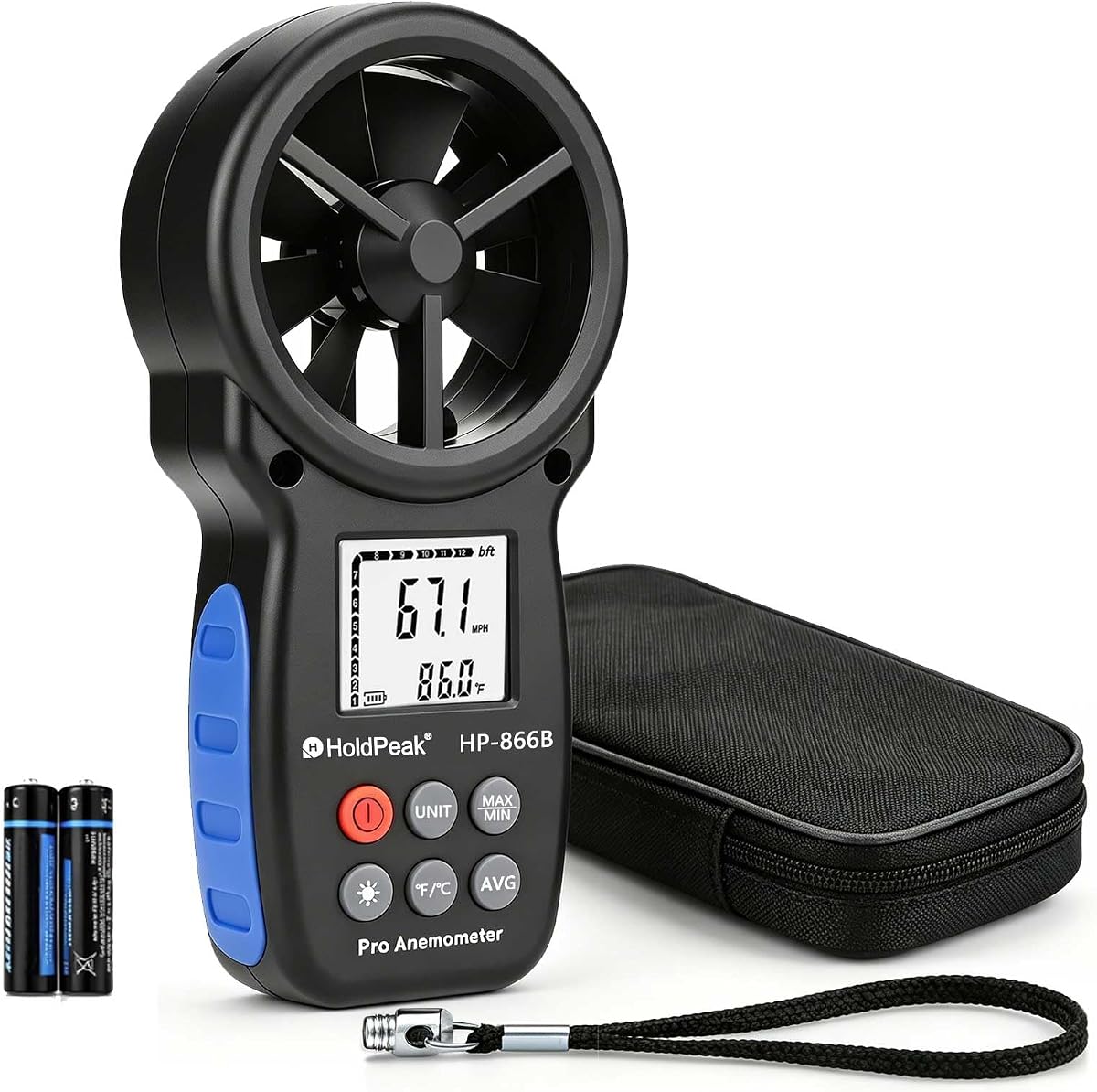
The HoldPeak 866B offers a robust set of features designed for both professional and recreational use. Its 4.5 star rating reflects its reliability and accuracy in measuring wind speed and temperature. The device is equipped with dual temperature sensors and eight vanes to ensure sensitive detection of air flow changes which is vital for precise marine navigation.
We may earn a commission when you buy through this link, at no additional cost to you.
Users will appreciate the comprehensive data display which includes wind speed, wind chill, and temperature readings in multiple units. The Max/Min/Average functions allow for tracking wind fluctuations over time, helping sailors anticipate gusts and shifts. The included waterproof carrying pouch ensures the device remains protected from the elements during storage and transport.
The hand strap adds an extra layer of security to prevent accidental drops overboard, a common concern on moving vessels. While the design is slightly bulkier than some competitors, it provides a sturdy grip. The battery compartment can be a bit tight to open, but once closed it feels secure enough for active use.
If you need a handheld anemometer that balances accuracy with portability for various outdoor activities, the HoldPeak 866B is an excellent choice. It is particularly well suited for sailing, drone flying, and HVAC checks. The combination of features at this price point makes it a compelling option for anyone needing reliable wind data.
This feature helps sailors understand wind variability by recording the highest, lowest, and average speeds during a specific period.
The included carrying pouch provides a waterproof barrier to protect the device from rain, spray, and humidity during marine use.
We may earn a commission when you buy through this link, at no additional cost to you.
The Inspeed Magnetic Mount Anemometer is designed for convenience and quick deployment on a vessel. With a high rating of 4.7 stars, users value its ease of use and precision. The magnetic mount allows you to attach the device to any ferrous surface without drilling holes, making it ideal for temporary setups or boats where permanent installation is not desired.
We may earn a commission when you buy through this link, at no additional cost to you.
This device is calibrated to ensure accurate wind speed readings which are critical for sail trim and maneuvering. Its compact design means it does not obstruct visibility or deck space. The lightweight build ensures it does not add unnecessary weight to your gear, making it easy to carry around the boat or store in a small compartment.
While the device is excellent for portability, it lacks some of the extensive display features found in other models. The primary focus is on providing accurate data quickly. The higher price point reflects the quality of the calibration and the specialized magnetic mounting system which offers convenience not found in standard handheld units.
For sailors who prioritize quick setup and high accuracy without permanent installation, the Inspeed Magnetic Mount is a standout option. It is particularly useful for racing crews who need to move equipment around efficiently. The reliability and simplicity of this unit make it a valuable addition to any marine toolkit.
Each unit is calibrated to ensure that wind speed readings are accurate and consistent, providing reliable data for decision making on the water.
A strong magnetic base allows for rapid attachment to metal surfaces, saving time and effort compared to traditional mounting methods.
We may earn a commission when you buy through this link, at no additional cost to you.
The Raymarine Instrument Wind I60 is a dedicated display unit for those who already have a compatible wind transducer or are looking to expand their existing instrument panel. It holds a 3.9 star rating which reflects its utility as a display rather than a standalone system. It is designed to integrate seamlessly with Raymarine's broader instrumentation ecosystem.
We may earn a commission when you buy through this link, at no additional cost to you.
This display provides essential wind data clearly and concisely. The black and grey aesthetic matches modern cockpit designs. It is particularly useful for upgrading older boats where adding a new screen is more practical than replacing the entire system. The footprint is designed to fit into standard cutouts, making it a versatile replacement option for deteriorated instruments.
However, buyers should note that the transducer is not included, meaning additional purchase is required to get the system running. The design is somewhat older compared to newer smart displays which might lack connectivity features found in modern chartplotters. Despite this, it remains a robust component for dedicated analog or semi digital setups.
If you are looking to add a focused wind display to your instrument panel without cluttering the dashboard, this unit is a strong candidate. It is reliable and easy to read in sunlight. For sailors who prefer physical instruments over screen based data, the I60 provides the straightforward functionality needed for safe passage.
The display is designed to fit into standard mounting holes, making it easy to replace old instruments without modifying the dashboard.
As part of the Raymarine family, this display works well with other compatible units, ensuring consistent data presentation across your instruments.
We may earn a commission when you buy through this link, at no additional cost to you.
The TopTes TS-301 features a large 2.26-inch backlight LCD screen that makes reading data exceptionally easy in various lighting conditions. With a 4.6 star rating, it is highly regarded for its clarity and versatility. Beyond wind speed, it measures temperature and humidity, adding value for sailors who need to monitor environmental conditions comprehensively.
We may earn a commission when you buy through this link, at no additional cost to you.
The device offers six different wind speed units allowing users to switch between meters per second, kilometers per hour, knots, and others easily. The lightweight design ensures it can be held comfortably for extended periods. The auto shut down feature conserves battery life significantly, ensuring the device is ready when you need it without frequent battery changes.
One limitation is that the humidity and temperature sensors can take up to thirty minutes to adjust to a new environment, which might affect immediate accuracy when moving between air conditioned and outdoor spaces. The battery case can also be somewhat fragile, so care should be taken when opening it. However, these are minor trade-offs for the price.
For sailors who want a comprehensive handheld weather tool that includes humidity readings, the TopTes TS-301 is an excellent choice. The large screen is particularly beneficial for those with vision challenges or in bright sunlight. It is a practical tool for both professional and recreational users looking for detailed environmental data on the water.
The inclusion of a humidity sensor provides additional weather context which can be useful for predicting fog or other atmospheric changes.
Automatic power off after ten minutes of non-use ensures that batteries are preserved, extending the life of your handheld device.
We may earn a commission when you buy through this link, at no additional cost to you.
The Raymarine E28081 Weather and Bowls package is essential for owners of older Raymarine ST50 and ST60 systems who need to replace damaged components. With a 4.1 star rating, it is a practical solution for maintaining existing instrumentation. This kit includes the vane, cups, and all necessary hardware, ensuring you can restore your wind sensor quickly.
We may earn a commission when you buy through this link, at no additional cost to you.
The inclusion of fixing screws and an allen key simplifies the installation process, reducing the need for additional tools on board. It is designed to be compatible with specific older models, making it a targeted choice for fleet owners or individuals maintaining older vessels. The parts are built to withstand marine conditions ensuring long term reliability.
While this is a replacement kit rather than a new unit, it is critical for keeping older systems operational. The cost is reasonable considering the alternative of replacing the entire instrument system. However, buyers must ensure compatibility with their existing transducer and display units before purchasing to avoid fit issues.
If you are maintaining an older Raymarine system, this kit provides a cost effective way to keep your wind instrument functional. It ensures you can continue to receive accurate wind data without major expense. Proper maintenance of these components is key to safety and performance on the water.
The package includes all necessary screws and tools, making the replacement process straightforward for DIY maintenance on your vessel.
Designed specifically for ST50 and ST60 systems, this ensures a direct fit for owners of these classic Raymarine instrument models.
We may earn a commission when you buy through this link, at no additional cost to you.
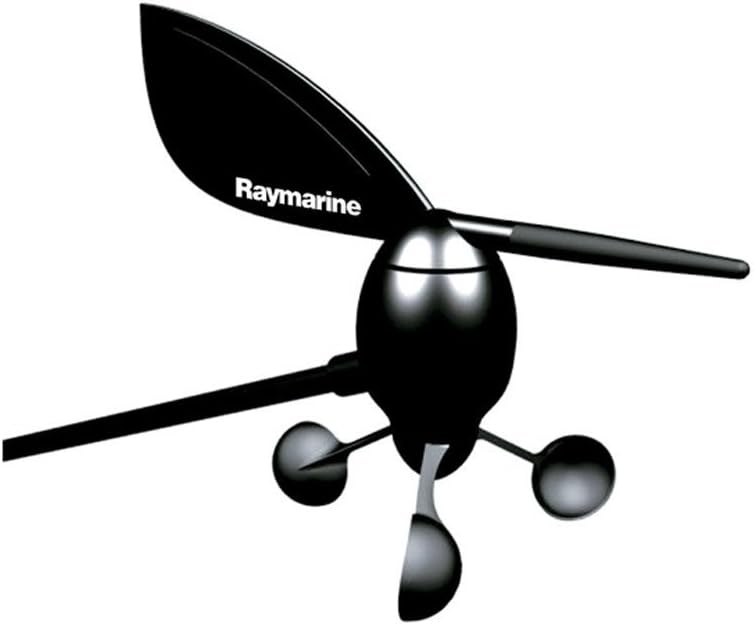
The Raymarine Masthead Wind Arm Vane and Cups is a critical component for vessels requiring a dedicated wind sensor mounted on the mast. With a 4.4 star rating, users appreciate its updated design which offers improved performance and durability. This unit is designed to provide accurate wind direction and speed data to the vessel's display system.
We may earn a commission when you buy through this link, at no additional cost to you.
The latest version includes the vane and cups which are the moving parts most susceptible to wear and tear from salt spray and UV exposure. The wind arm design ensures the sensor is positioned correctly to avoid airflow interference from the mast or rigging. The build quality is robust, ensuring it can withstand harsh marine environments.
While the transducer itself is high quality, it does not include a display. This means buyers must already have a compatible instrument or be prepared to purchase one separately. Installation can be complex requiring attention to alignment and cabling to ensure accurate data transmission. Professional installation is often recommended for masthead components.
For boats needing to replace a faulty masthead unit, this is a reliable option that fits standard Raymarine systems. It ensures you get the necessary data to navigate safely. The durability of the cups and vane is particularly important for long term performance in demanding conditions.
The latest version incorporates design improvements that enhance durability and accuracy, providing better value over time compared to older models.
Mounting at the masthead ensures the sensor is above deck level, minimizing interference from sails and rigging for cleaner data.
We may earn a commission when you buy through this link, at no additional cost to you.
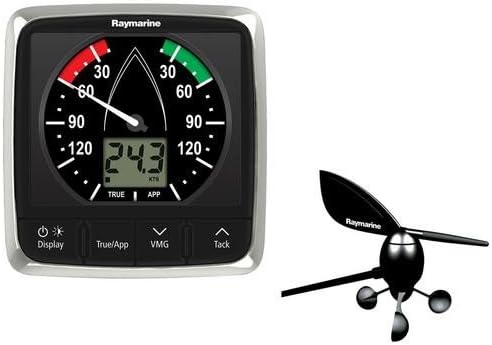
The Raymarine i60 Wind System with Masthead offers a complete solution for measuring wind speed and direction on sailboats. With a 4.4 star rating, it is appreciated for its reliability and integration capabilities. The kit includes the masthead transducer, a 30-meter cable, and the display unit, allowing for easy installation on most vessels.
We may earn a commission when you buy through this link, at no additional cost to you.
The display features an easy-to-read analog dial with red backlighting for visibility at night. It is designed to fit the footprint of older ST60 instruments making it a perfect upgrade option for boats with limited space. The low power consumption ensures it does not drain the battery bank significantly, which is crucial for extended passages.
While the system is reliable, it lacks some of the advanced connectivity found in modern digital networks. The analog display is simple but may not appeal to those looking for data logging or screen-based interfaces. However, for sailors who value straightforward and robust data, this system delivers consistently.
If you are looking for a dedicated wind system that is simple to install and reliable in the long run, the i60 system is a strong candidate. It provides essential wind data including apparent wind angle and speed. The included 30-meter cable ensures it can reach mastheads on most production sailboats without extension.
The package includes everything needed for installation including the transducer and cable, saving time and ensuring compatibility.
Low power consumption design ensures the unit does not significantly impact the vessel's electrical system during long passages.
We may earn a commission when you buy through this link, at no additional cost to you.
The Raymarine i60 Wind Display System with Masthead Vane Transducer is designed for sailors who need comprehensive wind data with high reliability. With a 4.4 star rating, it is praised for its customizable display options and robust build quality. The transducer is engineered to withstand harsh marine conditions ensuring accurate wind measurements.
We may earn a commission when you buy through this link, at no additional cost to you.
The display allows for customization of the data fields shown, enabling sailors to prioritize the information most relevant to their sailing style. True and apparent wind angles are available to help with tactical decision making. The adjustable backlight ensures visibility in any lighting condition, from bright noon sun to dark nights.
While the system is highly functional, it comes at a higher cost compared to basic handheld units. Installation and setup require attention to detail to ensure accurate data alignment. However, the durability and reliability justify the investment for serious sailors who depend on precise wind data for performance.
If you are upgrading your instrument panel and need a reliable wind system, the i60 Display System is a top recommendation. It provides comprehensive wind data and is built to last. The ability to customize the display ensures you always have the right information at a glance.
The display allows you to choose which data fields are shown, ensuring you always have the most relevant information available.
The masthead transducer captures wind data accurately even in heavy conditions, providing reliable information for navigation and sailing decisions.
We may earn a commission when you buy through this link, at no additional cost to you.
The Mcbazel 3 in 1 Handheld Digital Anemometer offers exceptional value for those looking for a budget-friendly option without sacrificing essential functionality. With a 4.5 star rating, it is popular for its ease of use and reliable performance. It measures wind speed, temperature, and Beaufort scale, making it versatile for various outdoor activities.
We may earn a commission when you buy through this link, at no additional cost to you.
The compact design makes it easy to carry in a pocket or small bag. The backlight ensures readability in low light environments. The auto power off and low battery indicators ensure you do not miss critical wind data due to power failure. This model is particularly suited for casual sailors, fishermen, and hobbyists.
While the build is primarily plastic, it is durable enough for regular use. The features are basic compared to high-end marine systems, but they cover the essential needs for most recreational users. The inclusion of the Beaufort scale is a unique selling point that helps less technical users understand wind conditions quickly.
If you are looking for an affordable anemometer that covers the basics well, the Mcbazel 3 in 1 is the best choice. It is easy to use and provides reliable wind data for sailing and fishing. For those on a budget, this device delivers impressive value and functionality.
The Beaufort scale display helps users quickly understand wind force levels without needing to interpret numerical data or units.
A low battery indicator ensures you know when to replace batteries, preventing unexpected shutdowns during critical moments on the water.
We may earn a commission when you buy through this link, at no additional cost to you.
Choosing the right marine anemometer involves considering several key factors to ensure it meets your specific navigation and safety needs.
Marine anemometers come in two main types: handheld units and integrated masthead systems. Handheld units are portable and ideal for casual sailors or checking wind conditions before launching. Integrated systems are permanent installations that connect to a vessel's display network and provide real-time data while sailing.
Consider your usage needs. If you are on a small boat without a network system, a handheld device is sufficient. If you have a sailboat with instrumentation, a masthead transducer connected to a display is the better choice for accurate wind direction and speed.
Accuracy is critical for safety and performance. Look for devices that offer a narrow margin of error. High-quality sensors ensure that the data you receive reflects the true wind conditions. This is particularly important for racing or navigating in tight spaces where wind shifts can be dangerous.
Check the specifications for wind speed range and resolution. A higher resolution means the device can detect small changes in wind speed which is useful for trim adjustments.
Marine environments are harsh with exposure to salt spray, UV rays, and vibration. The device should be built to withstand these conditions. Look for waterproof ratings and corrosion-resistant materials. A sturdy build ensures the anemometer lasts for many seasons without failure.
For masthead units, ensure the cable and housing are rated for outdoor marine use. For handhelds, check for impact resistance and quality seals against moisture.
In bright sunlight or low light, the display must remain readable. Backlit LCD screens are essential for night use. High contrast text and large fonts help you read data quickly without straining your eyes while on the move.
Consider the placement of the display. For handhelds, a large screen is beneficial. For integrated systems, ensure the display unit fits your dashboard and is positioned where you can see it easily.
Different sailors prefer different units. Ensure the device allows switching between knots, mph, km/h, or meters per second. Having the right units displayed simplifies navigation and calculation without needing to convert manually.
Advanced models may also show wind chill or Beaufort scale. These features add value by providing context to the raw wind speed data.
Battery life is a practical concern. Handheld devices rely on batteries which can run out during long trips. Look for auto power off features to extend battery life. Integrated systems draw from the vessel's battery which can be managed with power conservation settings.
Consider the ease of battery replacement. Accessible compartments make it easier to swap batteries when needed without special tools.
Ease of installation can save time and money. Handheld units are plug and play. Masthead systems require drilling and routing cables which can be complex. Check if the product includes necessary mounting hardware like screws or clamps.
For existing systems, compatibility with the current network is crucial. Ensure the new transducer or display fits the existing ports and protocols to avoid extra costs.
Modern anemometers may offer data logging or connectivity to smartphones. This is useful for analyzing trends over time. However, basic models provide wind speed and direction which is often sufficient for casual use.
Decide if you need advanced features like average or max wind speed tracking. These can help you understand weather patterns and improve your sailing strategy.
To use a handheld anemometer, simply power it on and hold it in an open area away from obstructions that may block wind flow. Wait for the reading to stabilize before recording the value. Ensure the device is held steady to avoid skewing the data with your own movement.
For masthead transducers, ensure the unit is mounted securely and aligned correctly to avoid inaccurate wind direction readings. Check the connection points regularly for signs of wear or corrosion. Route cables away from moving parts to prevent damage.
Maintenance involves regular cleaning with fresh water to remove salt deposits. Store handheld units in a dry place when not in use. If the device is not used for extended periods, remove the batteries to prevent leakage and damage to the unit.
True wind is the actual wind speed and direction relative to the earth, while apparent wind is what you feel on the boat combining true wind with the wind created by the boat's movement. Most marine anemometers show apparent wind unless connected to GPS to calculate true wind.
Yes, handheld anemometers are great for checking conditions before sailing or for small boats without instrumentation. However, for racing or larger vessels, a masthead system provides more accurate real-time data while underway.
A transducer can last many years if maintained properly. However, if you notice inconsistent readings or damage to the cups or cables, it is time to replace the unit. Salt corrosion can degrade components faster in marine environments.
Wind is naturally variable so fluctuations are normal. However, significant jumps may indicate sensor issues or obstructions like sails or rigging blocking the wind. Ensure the sensor is positioned in clean airflow away from barriers.
Yes, a masthead transducer requires a display unit to show the data. Some transducers connect to existing instrument panels while others are part of a system that includes the display. Ensure compatibility before purchasing the components.
The Beaufort scale is a wind force scale ranging from zero to twelve. It helps sailors describe wind conditions in a standardized way without needing exact numerical speed. Some anemometers display this scale for quick reference.
Most handheld units come calibrated from the factory and do not require user calibration. For masthead units, alignment is key rather than calibration. If your device has a calibration mode, follow the manufacturer's instructions strictly to maintain accuracy.
We have explored ten top marine anemometers ranging from budget handhelds to premium masthead systems. The BTMETER BT-100 and HoldPeak 866B offer excellent value for portable use. The Raymarine i60 systems provide reliable performance for integrated instrumentation.
When selecting a model, prioritize the features that matter most to your specific sailing needs. Accuracy and durability are paramount for safety. If you are on a budget, the Mcbazel 3 in 1 is a great starting point. If you need robust data, invest in a full system.
Remember to check current prices and availability before purchasing. Conditions and products evolve so staying informed ensures you get the best value. With the right anemometer, you can sail more safely and confidently in any weather.