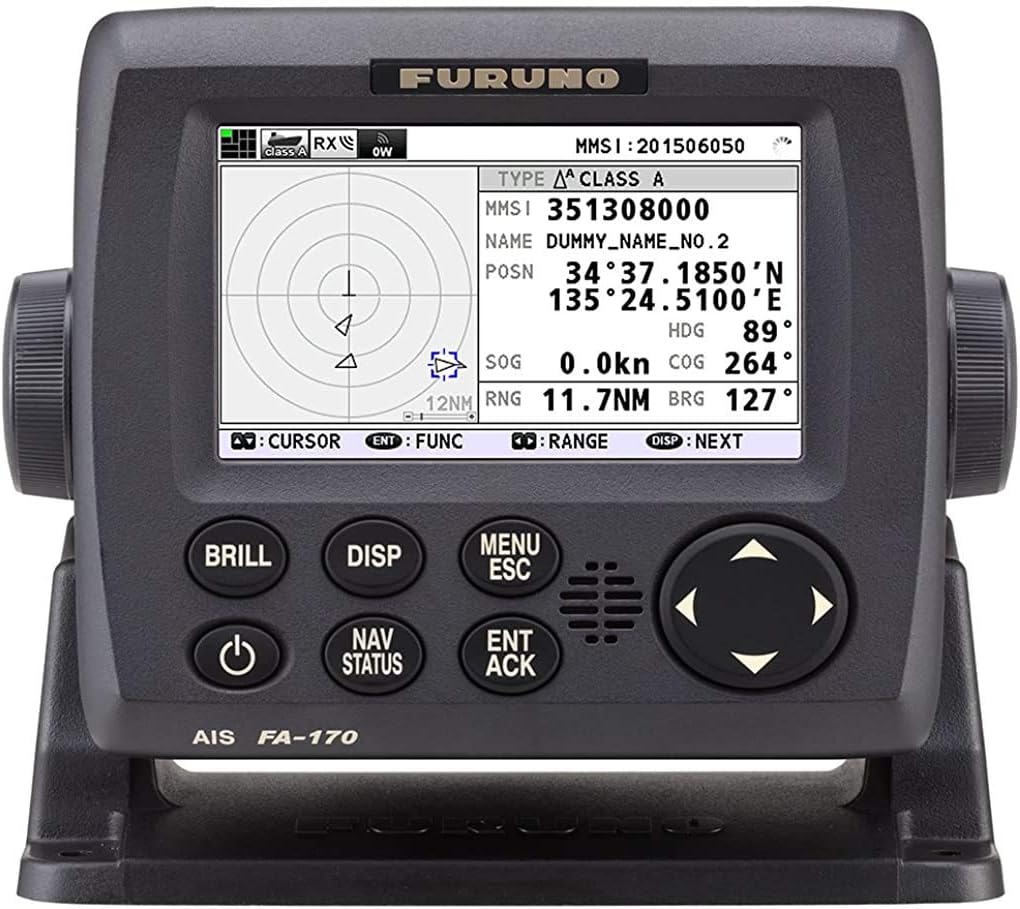
Furuno FA170 Class A AIS Transponder
Includes 6 in/out Ports for Connectivity
Stores up to 2048 AIS Targets
Dangerous Target List for Safety Alerts
Compare the top Ais Transponders for marine safety and navigation with detailed specs and expert insights for every budget and vessel type available today.
Finding the right Ais Transponders ensures your vessel stays visible and safe on busy waterways. Modern units offer precise tracking and collision avoidance features essential for any captain.
We compared ten leading models based on signal range, display quality, and integration capabilities. Each option meets strict maritime standards for reliable performance in diverse weather conditions.
Our list highlights key strengths like battery life and waterproofing for every pick. Prices fluctuate frequently so verify current availability before making your final purchase decision today.

This side-by-side comparison highlights key specifications and unique features across all ten selected models to help you find the perfect fit for your specific marine navigation needs.




This model stands out as a robust solution for mariners needing clear visibility of nearby traffic. Its vibrant display ensures you see critical data even in bright sunlight conditions.
We may earn a commission when you buy through this link, at no additional cost to you.
The integration of GPS navigation and collision alarms provides essential safety layers for any boat. You can configure MMSI details and ship specifics directly through the intuitive interface.
While it requires a compatible VHF radio for full functionality, the DSC calling feature streamlines emergency communication significantly. Users appreciate the silent mode for maintaining privacy during operations.
Recommended for serious captains who want reliable AIS integration with advanced display features. The anchor watch function adds another layer of security when you are at rest.
The large display and color interface make it easy to distinguish between vessel types at a glance.
DSC compatibility ensures that distress calls are prioritized and routed correctly during emergencies.
We may earn a commission when you buy through this link, at no additional cost to you.
This transponder offers straightforward performance for vessels needing essential Class B identification. It supports standard 12 or 24 volt inputs commonly found on board boats.
We may earn a commission when you buy through this link, at no additional cost to you.
Built for reliability, it integrates well with existing marine electronics systems. The multicoloured housing helps you identify units easily in crowded storage compartments.
It lacks the advanced display options of pricier models but excels in consistent signal transmission. This makes it ideal for smaller craft or backup installations.
Choose this if you need a dependable unit that focuses on core transmission without extra frills. The energy solutions approach ensures minimal power drain on your battery.
Operating on both 12 and 24 volts allows installation on various boat electrical systems.
Standard interfaces allow for quick setup with minimal technical expertise required.
We may earn a commission when you buy through this link, at no additional cost to you.
This professional grade unit delivers maximum safety with its ability to track thousands of targets simultaneously. It is designed for commercial fleets needing advanced navigation capabilities.
We may earn a commission when you buy through this link, at no additional cost to you.
With six input and output ports you can connect multiple displays and navigation systems easily. The dangerous target list alerts you immediately when a collision risk is detected.
The price point reflects its high-end capabilities and durability in harsh environments. It is likely overkill for small pleasure crafts but perfect for large vessels.
Invest in this model if you need top tier reliability and extensive networking features. The compact form factor ensures it fits into tight equipment racks.
The dangerous target list provides immediate visual cues for potential threats in your path.
Multiple ports allow you to integrate radar GPS and other sensors into one system.
We may earn a commission when you buy through this link, at no additional cost to you.
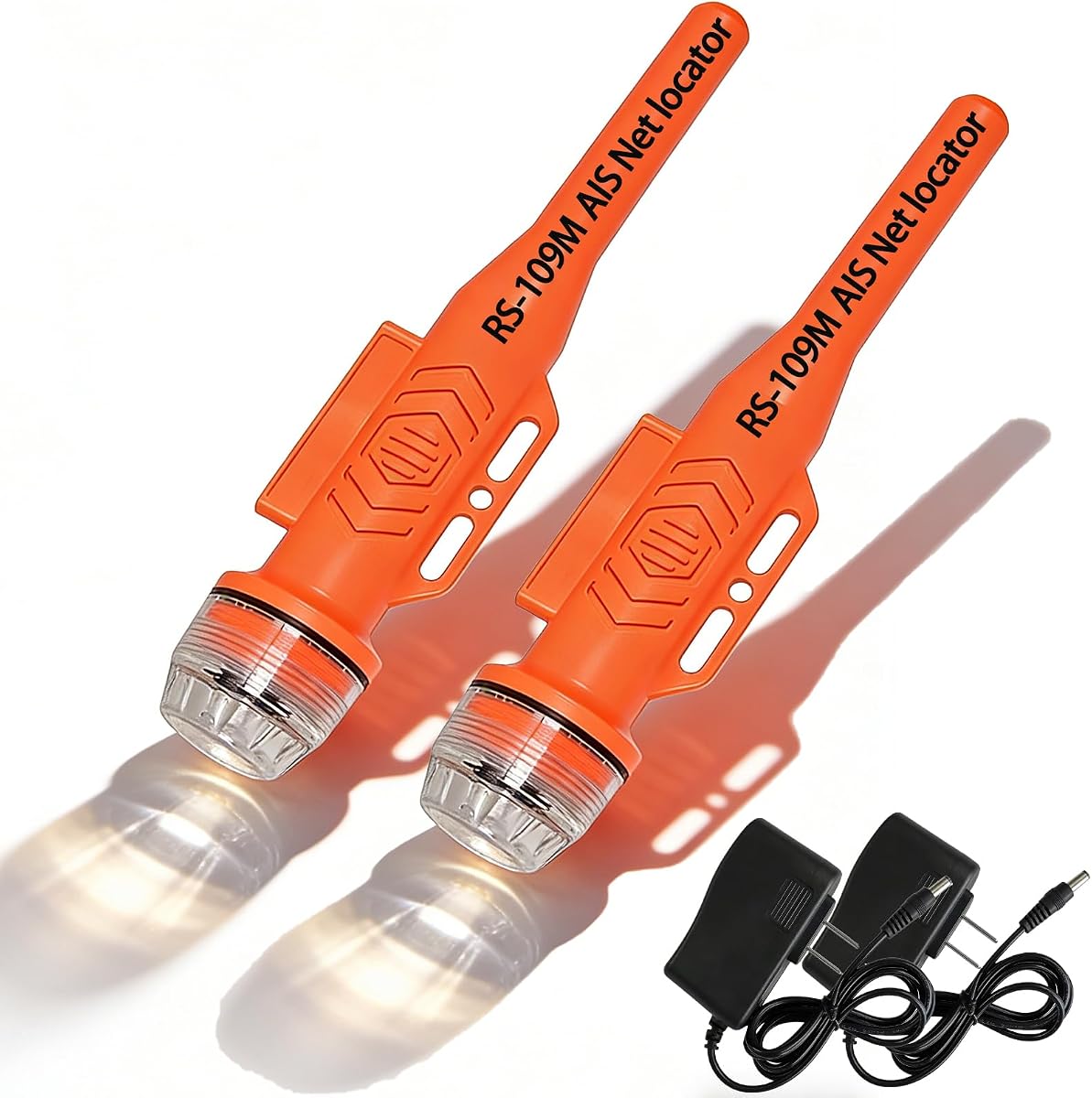
This affordable device is perfect for tracking gear or as a secondary safety device on small boats. It sends positioning data and battery levels directly to your receiver instantly.
We may earn a commission when you buy through this link, at no additional cost to you.
The IPX7 waterproof rating means it can handle being submerged if dropped overboard. Its high sensitivity GPS module ensures location updates remain accurate even in rough seas.
While not a replacement for full vessel transponders it offers incredible value for specific use cases. You can track nets buoys or even a small craft without spending a fortune.
Great for anglers or recreational users who need to monitor equipment without complex setups. The long battery life reduces maintenance frequency significantly during long trips.
Track your nets and buoys in real time to prevent loss in open waters.
With two weeks of operation you rarely need to recharge or replace batteries.
We may earn a commission when you buy through this link, at no additional cost to you.
This bundle combines a VHF radio and AIS receiver to streamline your communication setup. It works best when paired with compatible Raymarine multifunction displays on board.
We may earn a commission when you buy through this link, at no additional cost to you.
The Raymarine brand ensures high quality components designed to withstand harsh marine environments. Fixed mount accessories are included to help secure the unit properly.
Check that your existing display supports the AIS700 before purchasing to avoid compatibility issues. The bundle approach can save money compared to buying components separately.
Ideal for boat owners upgrading their communication systems with a trusted marine electronics brand. The integration simplifies wiring and menu navigation significantly.
Buying the bundle ensures both units are compatible out of the box for easy setup.
Raymarine is known for durable electronics that perform well in saltwater conditions.
We may earn a commission when you buy through this link, at no additional cost to you.
This personal beacon sends alerts on VHF frequencies so nearby vessels can see your location. It also connects to global satellites for broader search and rescue coverage.
We may earn a commission when you buy through this link, at no additional cost to you.
The return link service confirms that rescuers have received your distress signal which reduces anxiety. You can check battery life and test data via NFC on your mobile phone.
It is small enough to attach to any life jacket or carry in a pocket easily. The infrared strobe helps rescuers locate you at night without disturbing the environment.
Every crew member should have one to ensure rapid identification if someone goes overboard. The lack of subscription fees makes it cost effective for long term ownership.
The 406 MHz signal ensures your distress alert reaches global emergency services instantly.
NFC technology lets you check battery health and test results with a simple phone scan.
We may earn a commission when you buy through this link, at no additional cost to you.
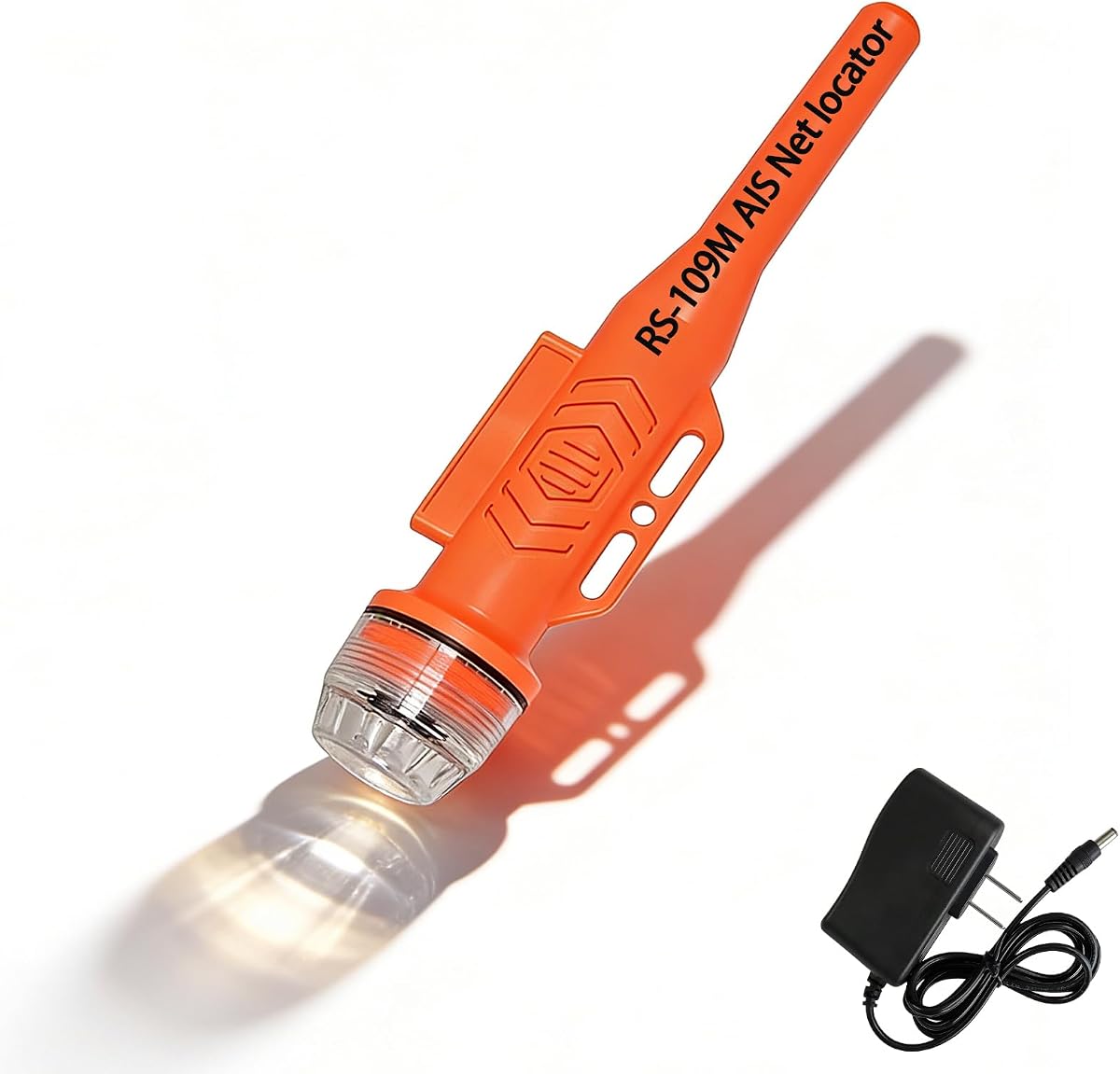
This single unit version provides the same robust tracking capabilities as the dual pack option. It is perfect for monitoring one specific buoy or piece of gear precisely.
We may earn a commission when you buy through this link, at no additional cost to you.
The sealed housing meets IPX7 standards so it performs reliably even when submerged fully. Battery levels are transmitted to your receiver so you know when to swap units.
It covers up to ten nautical miles ensuring you get a good fix on your gear. The high sensitivity GPS module updates positions quickly to track moving items.
Consider buying this for a primary anchor or net that requires constant monitoring. The affordable price allows you to deploy multiple units across different areas.
Fully sealed housing protects internal components from water damage during immersion.
Syncing data to your receiver keeps you aware of status without manual checks.
We may earn a commission when you buy through this link, at no additional cost to you.
This handheld radio includes an AIS receiver so you can see traffic on its screen directly. It is a portable solution for captains who want to step away from the main console.
We may earn a commission when you buy through this link, at no additional cost to you.
The loud audio output ensures you hear distress calls even in noisy engine rooms. Float and flash activates if the unit drops overboard to aid in recovery.
With a 6W RF transmit power you get extended range for communication. The battery provides up to ten hours of typical operating time for day trips.
Best for crew members who need communication without tethering to a fixed station. The integrated GPS navigation helps you save waypoints for favorite spots.
DSC features allow you to send distress alerts quickly with one press of a button.
The powerful speaker ensures clear communication even in windy or loud conditions.
We may earn a commission when you buy through this link, at no additional cost to you.
This VHF transceiver brings modern capabilities to your vessel with built-in AIS support. It connects directly to NMEA 2000 networks allowing seamless data sharing with other instruments.
We may earn a commission when you buy through this link, at no additional cost to you.
The design fits well in standard marine radio panels. It provides the essential voice communication you need alongside digital AIS data for safety.
You will need a compatible display to view the AIS traffic on screen. The integration simplifies wiring by reducing the need for separate data converters.
Perfect for upgrades where you want to keep your existing electronics network intact. The EVO series ensures you have features that match newer industry standards.
NMEA 2000 support means you can view AIS data on your existing chartplotter.
Combines traditional VHF communication with modern digital safety protocols.
We may earn a commission when you buy through this link, at no additional cost to you.
This Class B transceiver is designed specifically to work with Raymarine multifunction displays. It provides full transmit and receive capabilities to ensure you are seen and visible to others.
We may earn a commission when you buy through this link, at no additional cost to you.
The built-in antenna splitter simplifies installation because you do not need an external unit. You can perform setup and diagnostics directly from your PC if you prefer.
It supports SeaTalkng which makes connecting to other Raymarine sensors straightforward. However compatibility relies heavily on having the right display hardware.
Choose this unit if you are already invested in the Raymarine ecosystem. The networking capabilities ensure your vessel is fully integrated into the global AIS network.
The internal splitter allows you to share a single antenna for VHF and AIS.
PC support allows for detailed troubleshooting and configuration updates offline.
We may earn a commission when you buy through this link, at no additional cost to you.
Selecting the right AIS transponder involves understanding your vessel type budget and specific safety needs to ensure optimal performance.
Class A transponders offer higher power and are mandatory for commercial vessels while Class B units are sufficient for recreational boats. Ensure the unit supports both transmit and receive to maintain full visibility.
Prioritize a transceiver model over a receiver only unit to ensure you can actively broadcast your position to other ships.
Check if the unit requires an external display or if it has an integrated screen. NMEA 2000 compatibility is crucial for modern networks to share data seamlessly.
Verify compatibility with existing multifunction displays to avoid needing additional adapters or wiring.
Internal GPS modules provide convenience but external antennas offer better accuracy in challenging environments. High sensitivity modules ensure position updates remain precise in rough seas.
Look for units that allow external antenna connections if you need superior accuracy or plan to use the system in remote areas.
Marine environments demand rugged hardware that can withstand saltwater humidity and direct sunlight. IPX7 or higher waterproof ratings are essential for handheld or buoy mounted devices.
Choose enclosures designed for marine use to prevent corrosion and ensure the unit lasts for years.
Transponders draw power from the boat battery so efficient energy use is important to prevent drainage. Look for units with low power modes or extended battery life for backup options.
Calculate the power draw to ensure your electrical system can support the unit continuously without issues.
Collision alarms and anchor watch functions add significant layers of safety. Distress alert capabilities allow you to communicate emergencies effectively.
Select models that offer customizable alarms to avoid false alerts while still providing critical warnings.
Prices range significantly based on features so set a realistic budget that meets your minimum safety requirements. Reputable manufacturers offer warranties that cover marine environment wear and tear.
Invest in a trusted brand with good support to ensure you get help if technical issues arise later.
Install the antenna in a high unobstructed location on the mast to ensure clear signal transmission. Connect power and data cables carefully according to the manufacturer guidelines.
Enter your MMSI number and ship details during setup so your vessel identity is transmitted correctly. Verify the display shows nearby targets before setting sail.
Regularly test the unit by checking the display for nearby traffic and performing self tests if available. Clean the exterior with fresh water to remove salt and grime buildup.
Class A units provide higher power and transmit more frequent updates which are mandatory for larger commercial ships. Class B units are lower power and designed for recreational vessels which makes them more affordable for smaller boats.
Many modern transponders include built-in GPS receivers so you do not need a separate GPS. However connecting an external antenna can improve accuracy if your internal unit has poor signal reception.
You can use a receiver only unit with audio alerts but you will not see traffic visually. For full safety and navigation benefits you need a display or plotter to view the targets on a map.
Transmit rates vary based on speed and heading changes typically ranging from every two to ten minutes. Class A units update more frequently to ensure dynamic data for ships on course.
Yes you can legally install Class B AIS on recreational vessels voluntarily. It is highly recommended for safety as it allows other ships to see your position on their screens.
An MMSI is a unique nine-digit number that identifies your vessel uniquely in the AIS network. You must program this number into your transponder so others can identify your boat correctly.
Yes AIS alerts nearby vessels immediately when you transmit a distress signal or use MOB features. It is often faster than radio calls for alerting ships in close proximity to your location.
Check connections periodically for corrosion and ensure the antenna is firmly mounted. Clean it with fresh water after exposure to salt spray to maintain signal quality.
We reviewed ten distinct models ranging from budget buoy trackers to professional class A transponders. Each option offers unique features suited for different types of marine navigation tasks.
Prioritize safety features like collision alarms and reliable power supply when making your choice. Ensure compatibility with your existing marine electronics to avoid extra costs.
Remember to verify current stock and availability before ordering as models change often. The right transponder provides peace of mind for every journey on the water.