
Handheld Fish Finder Portable
4.2Editor score
Portable neck strap design
Battery powered operation
200 kHz sonar frequency
Finding the right tool to locate fish can transform your angling experience significantly. A cheap fishfinder does not have to compromise on essential features like depth reading or sonar clarity. These devices help you identify structure and fish positions efficiently without breaking the bank.
We evaluated ten top rated models based on performance, ease of use, and value for money. Our comparison includes handheld units, portable castable sensors, and traditional mounted displays. Each entry offers unique benefits for kayaks, small boats, or shore fishing scenarios.
Every pick highlights key specifications and real world capabilities to guide your decision. Note that availability and specific deals may shift over time. Checking current listings ensures you get the most accurate information before making your final purchase.
4.2Editor score

4.7Editor score

4.5Editor score
As an Amazon Associate we earn from qualifying purchases.
The following table provides a side by side overview of the selected models including their core specifications and key capabilities for quick reference.
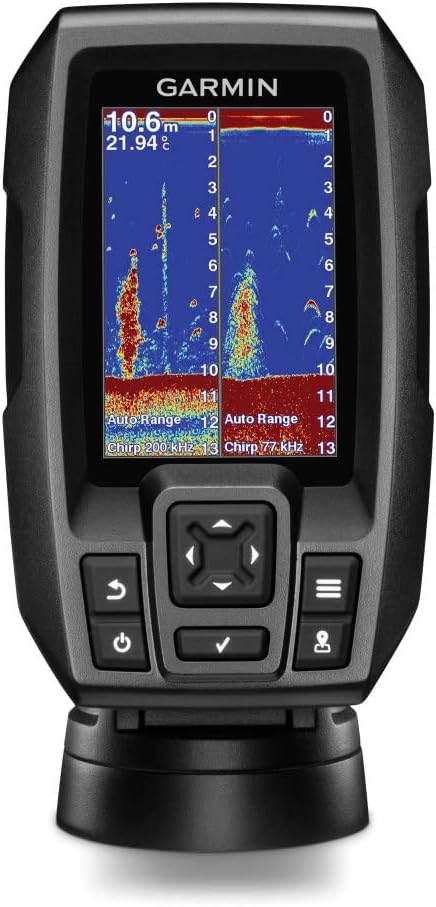


The Garmin Striker 4 stands out as a top choice for budget conscious anglers seeking reliable performance. It features a 3.5 inch display with CHIRP sonar to deliver crisp fish arches. The built-in flasher makes it versatile for ice fishing and vertical jigging.
We may earn a commission when you buy through this link, at no additional cost to you.
Its Clear Vu scanning sonar provides near photographic images of underwater structures. This helps identify brush piles and stumps easily. The IPX7 water rating ensures it survives splashes and harsh conditions. The waypoint map aids navigation across different fishing spots.
While the screen is compact, the dedicated buttons make operation straightforward. Some users might prefer larger displays for complex mapping. However, for basic to finding and depth reading, this unit excels without unnecessary complexity.
This model is ideal for small boat owners and kayakers who value simplicity. The high depth capability allows exploration of deeper freshwater areas. It balances essential features with an affordable price point effectively.
Clear Vu scanning delivers detailed images that help distinguish fish from structure easily.
The flasher mode offers a classic view ideal for ice fishing or vertical jigging.
We may earn a commission when you buy through this link, at no additional cost to you.
The Lowrance Eagle offers excellent visibility with its 4-inch IPS portrait screen. It stays clear even in bright sunlight and through polarized sunglasses. The Auto-Tuning Sonar automatically optimizes settings so you can focus on finding fish.
We may earn a commission when you buy through this link, at no additional cost to you.
Its wide coverage below the boat is supported by the included 200 kHz Bullet Skimmer. This provides a broad beam ideal for kayaks and small boats. The simple fish identification view shows icons with depth for quick interpretation.
Installation is fast thanks to the twist-lock connector which makes connecting and removing the display simple. While C-MAP options are available, the base model focuses on core sonar functions. This keeps the unit affordable and easy to use.
This device suits anglers who prioritize screen clarity and ease of setup. The portrait design fits well in limited spaces on boats. It is a strong choice for those wanting a reliable fish finder without complex mapping.
The IPS screen ensures clear viewing from wide angles and through sunglasses.
Auto-Tuning Sonar provides optimized settings to reduce manual adjustments.
We may earn a commission when you buy through this link, at no additional cost to you.
This handheld unit is extremely portable and ideal for kayak fishing or dock fishing. It displays water depth, approximate fish location, and bottom structure. The neck strap allows you to wear it around your neck when busy on the water.
We may earn a commission when you buy through this link, at no additional cost to you.
Powered by four AAA batteries, it lasts 4-5 hours with continuous use. The 200 kHz sonar frequency covers a 45-degree beam angle. It works in both fresh and salt water making it versatile for different environments.
Sensitivity is selectable to handle varying water conditions. The backlight mode ensures visibility in darkness. While the display is small it provides essential data like fish size and depth clearly.
This device is perfect for anglers who do not want to mount a unit. It fits easily in a tackle box and can be tossed into the water. A solid choice for casual fishing trips on a budget.
Wear it on a neck strap and store it in a tackle box easily.
Runs on standard AAA batteries for up to five hours of use.
We may earn a commission when you buy through this link, at no additional cost to you.
The Vivid 4cv is a 4-inch color fishfinder with new vivid scanning sonar color palettes. These palettes help you easily distinguish fish and structure on the screen. It includes a GT20 transducer for traditional CHIRP and ClearVü scanning.
We may earn a commission when you buy through this link, at no additional cost to you.
High-sensitivity GPS allows you to mark waypoints and create routes. The built-in Quickdraw Contours mapping gives you depth contours automatically. This combination of sonar and mapping provides great value for its size.
The tilt/swivel bailmount bracket included helps you adjust the viewing angle quickly. While it may cost more than basic models the clarity and mapping features justify the price. It is a powerful tool for serious anglers.
Ideal for those who want color images without a massive unit. The vivid display works well in various lighting conditions. This model offers a premium experience at a relatively accessible price.
New vivid scanning sonar color palettes help distinguish fish clearly.
Quickdraw Contours mapping is built-in for instant depth maps.
We may earn a commission when you buy through this link, at no additional cost to you.
The PiranhaMAX 4 offers Dual Beam Sonar giving you a choice between narrow and wide beams. This helps you identify fish with great detail or find a generous coverage area. It includes a Tilt and Swivel Mount for quick viewing adjustments.
We may earn a commission when you buy through this link, at no additional cost to you.
It comes with the XNT 9 28 transom-mount transducer which is robust and effective. The unit is simple to operate and great for beginners. A 1-year limited warranty adds peace of mind to the purchase.
While it lacks advanced mapping it excels at core fish finding tasks. The wide beam is useful for scanning large areas. The narrow beam helps see detailed contours and individual fish.
This model is a solid workhorse for general fishing needs. It is reliable and durable in freshwater environments. A good choice for anglers who want a straightforward fish finder.
Choose from narrow or wide beams to identify fish or structure.
Tilt and Swivel Mount allows you to adjust the viewing angle quickly.
We may earn a commission when you buy through this link, at no additional cost to you.
The LUCKY FFC1108 is a portable fish finder that displays approximate fish location and water depth. The transducer can be attached to the hull of a kayak or boat. This allows you to see depth changes while moving.
We may earn a commission when you buy through this link, at no additional cost to you.
It shows weeds and bottom structure along with fish depth. The measurement unit can switch between feet and meters. The backlight ensures visibility in both sunshine and darkness. Fish alarm alerts you when schools pass by.
Battery life is sufficient for short trips with new batteries. Sensitivity adjustment helps in clear or turbid water. It is designed to be held in one hand and stored easily.
This unit is great for those wanting a simple portable option. It serves as a practical gift for friends or family who fish. The price makes it accessible for casual use.
Transducer attaches to the hull for depth readings while moving.
Switch between feet and meters for your preferred depth unit.
We may earn a commission when you buy through this link, at no additional cost to you.
The Helix 5 Chirp delivers advanced views with Dual Spectrum CHIRP Sonar. It offers Wide Mode for coverage and Narrow Mode for detailed scanning. Enhanced GPS Navigation includes coverage of over 10,000 lakes and coastlines.
We may earn a commission when you buy through this link, at no additional cost to you.
Real-Time Mapping allows AutoChart Live to create maps of depth contours and vegetation while boating. The user-friendly menu system operates by softkey controls for reliable use. This model provides high-end features in a mid-range package.
It is compatible with premium LakeMaster and Navionics charts for expanded data. The keypad control works well in any weather conditions. This setup is ideal for anglers needing detailed navigation.
This fish finder suits those who want top-tier mapping and sonar. The recording time allows you to expand your own maps. It is a strong choice for serious boaters.
Dual Spectrum CHIRP delivers views of fish arches and structure.
AutoChart Live creates depth maps while you boat.
We may earn a commission when you buy through this link, at no additional cost to you.
This portable castable fish finder comes with a wireless sonar probe. The maximum distance between sensor and handheld unit is 262FT. It detects water depth temperature fish size and bottom contour.
We may earn a commission when you buy through this link, at no additional cost to you.
The color display has two selectable background colors for better visibility. You can cast the sensor onto water as far as you want without drilling holes. It applies to various environments like lakes and rivers.
The sensor is rechargeable and can be tethered with a fishing line. Note that the battery indicator on display correct when the sensor is off. You should put the sensor in water to check status.
This unit offers great freedom for shore or ice fishing. The wireless aspect simplifies setup and storage. It is a flexible choice for different fishing styles.
Cast the sensor as far as needed without drilling into your hull.
Select between black or white background for better readability.
We may earn a commission when you buy through this link, at no additional cost to you.
The DANOPLUS kayak fish finder features a 2.4 inches colorful LCD screen. It supports 147 feet depth detection with a 90-degree detective angle. The wireless sonar sensor has an attractive lamp that turns on when touching water.
We may earn a commission when you buy through this link, at no additional cost to you.
It displays fish size icons depth temperature and bottom contour. The fish alarm emits sound when fish pass by the sensor coverage. The user-friendly design makes it a necessary tool for many anglers.
The sensor is rechargeable and the system covers multiple languages. The lamp on the sensor helps attract fish making fishing easier. This model is ideal for kayak fishing and ice fishing.
This unit combines size and depth capabilities for better viewing. It is suitable for various fishing environments like lakes and seas. A versatile pick for anglers wanting a large display.
The sensor lamp automatically turns on to attract fish.
Supports detection up to 147 feet underwater.
We may earn a commission when you buy through this link, at no additional cost to you.
This wireless fish finder uses two functional airwave frequencies for fine-tuned readings. It has a clear LED display with black and white background selectable. You can mount the sensor on a boat or float it.
We may earn a commission when you buy through this link, at no additional cost to you.
Both receiver and sensor are rechargeable and work about 6 hours. It shows water temperature fish size and bottom contour. The brand support is responsive with 24-hour online contact.
Note that fish icons do not display if the sensor floats in shallow water. Putting the sensor into water turns it on properly. This design suits ice fishing or lake kayak fishing.
The dual frequencies allow you to adapt to different water conditions. It is a reliable partner for shore fishing. A good option for those needing a portable radio sensor system.
Uses Sonar 125 kHz and Radio 433 kHz for fine-tuned readings.
Receiver and sensor both rechargeable with 6 hours of work.
We may earn a commission when you buy through this link, at no additional cost to you.
Selecting the right fishfinder involves considering factors like display size sonar type and power source. This guide outlines key elements to ensure you pick a model that matches your fishing needs.
Larger screens provide better detail but may be bulkier. Look for IPS or color displays for visibility in bright sunlight. A clear screen helps distinguish fish arches from structure easily.
CHIRP sonar offers wider frequency sweeps for crisper images. Scanning sonar like ClearVü shows detailed underwater structures. Traditional 2D sonar is reliable for general depth and fish location.
Handheld and castable units are best for kayaks and shore fishing. Mounted units work well for boats with power sources. Consider the weight and strap options if moving frequently.
Some models use AA or AAA batteries while others recharge. Battery life affects how long you can fish before recharging. Check if it works in fresh and salt water environments.
Ensure the max depth meets your fishing waters. Most budget units cover up to 100 meters. Deep water fishing may require a model with higher depth capacity.
Built-in GPS allows waypoint marking and route tracking. Mapping features like contours help you map your favorite spots. Some models offer free maps while others need premium updates.
An IPX7 rating protects against splashes and rain. This is crucial for outdoor use in unpredictable weather. A durable casing ensures longevity on the water.
Look for intuitive menus and dedicated buttons. Complex systems may slow you down while fishing. Simple interfaces help you focus on finding fish rather than settings.
Start by installing the transducer correctly on your boat or kayak. Ensure it is horizontal and free of debris. Proper mounting improves signal quality and depth readings.
Calibrate the sensitivity based on water conditions. High clarity settings work well in clear water. Lower settings help reduce noise in choppy or turbid water.
Rinse the unit with fresh water after use in salt water. Store it in a dry place to prevent corrosion. Regular maintenance extends the life of your fishfinder significantly.
Yes many budget models provide accurate depth and fish detection. Modern sonar technology is available even at lower price points. They are perfect for casual and weekend anglers.
Most units include a transducer with the package. Some handhelds may have a built-in transducer. Always check the product details before purchase to confirm.
Many models are designed for both fresh and salt water. However check the specific specifications for corrosion resistance. Proper rinsing after salt water use is recommended.
Fish arches appear as curved shapes on the sonar display. They indicate fish moving through the sonar beam. Learn to distinguish these from structure for better results.
Basic maps are often built-in for free. Premium chart options may require a subscription. Check if your model supports SD cards for expanded storage.
Portable units typically last 4 to 6 hours on full power. Some models offer battery save modes to extend usage. Using rechargeable batteries can reduce long-term costs.
Wireless sensors provide flexibility for shore fishing. Signal range depends on water conditions and distance. They are convenient but may have limits compared to wired units.
Check battery levels and connections first. Ensure the unit is turned on properly. Contact brand support if issues persist after basic checks.
The models reviewed offer a range of options from handheld units to advanced mapping systems. Each provides unique benefits for different fishing styles and environments. Choosing the right one depends on your specific needs.
Prioritize features like sonar clarity and display visibility for the best experience. Consider portability and battery life if you fish in remote locations. These factors ensure reliability on the water.
Remember to check current listings for the latest deals and availability. Prices and specs can vary over time. Make your choice based on your priorities for a successful fishing trip.